Primetime Is Whenever You Say It Is: The Rise of Daytime Streaming Culture

For most of the 20th century, American entertainment ran on a pretty predictable clock. You caught the morning news, maybe flipped on a talk show while folding laundry, and then waited patiently for the real stuff — the good stuff — to roll around after dinner. Primetime was sacred. It was 8 PM, it was NBC, and it was non-negotiable.
That clock? It's broken now. And honestly, a lot of people are relieved.
The 9-to-5 Is No Longer Running the Show
The pandemic didn't just change where Americans work — it fundamentally scrambled when they do everything else. Millions of people who shifted to remote or hybrid schedules found themselves with pockets of free time scattered throughout the day rather than neatly bundled at the end of it. A 20-minute coffee break at 10:30 AM became its own kind of leisure window. A slow Tuesday afternoon suddenly had space in it.
Streaming platforms noticed. And live daytime content creators noticed even faster.
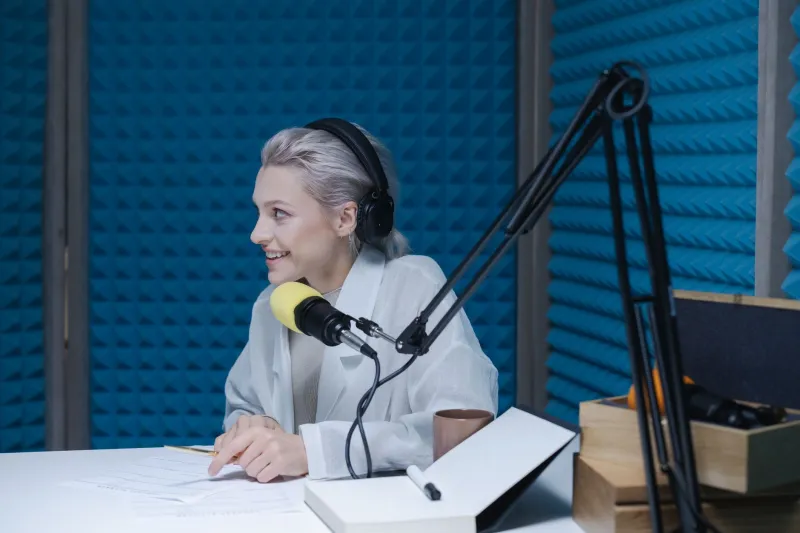
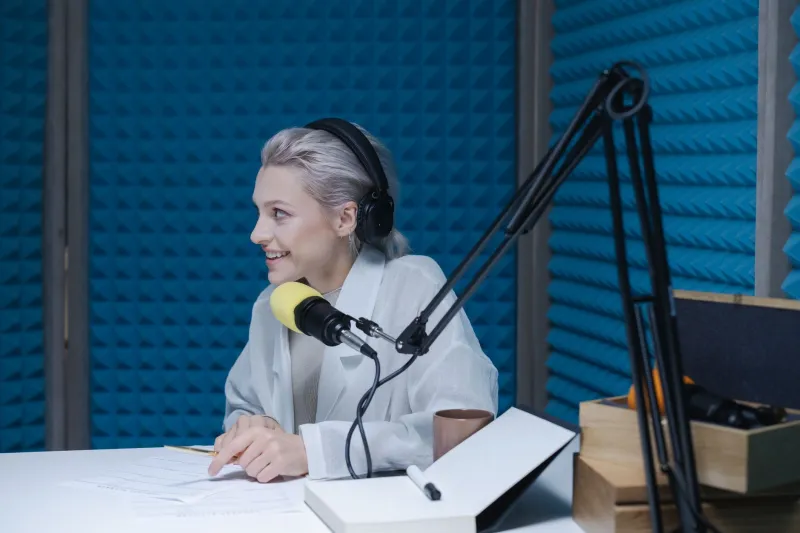
"There's this assumption that audiences are only available in the evening," says one independent variety show host who streams weekly afternoon performances to a growing subscriber base. "But I've had viewers tune in from their car during a lunch break, from a home office between meetings, from a backyard hammock at 2 PM. The audience isn't waiting for primetime anymore. They've moved on."
That sentiment is echoed across the live streaming space. Platforms that once focused almost exclusively on evening programming have started carving out dedicated daytime slots — and filling them fast.
What 'Daytime' Actually Means in 2025
Here's where it gets interesting: "daytime" isn't a monolith. The audience watching a live cooking demonstration at 11 AM is a very different crowd from the one tuning into an acoustic performance stream at 3 PM on a Friday. And both of those are distinct from the lunchtime trivia show that's become a weekly ritual for remote workers in their home offices.
Platforms that are winning in this space have figured out how to speak to each of those micro-windows rather than treating daytime as one undifferentiated block.
One streaming producer who works with a roster of live performers put it plainly: "Morning content needs to feel energizing. Midday stuff can go a little deeper, a little more interactive — people have a minute to breathe. And then that 2-to-4 PM window is honestly gold right now. People are hitting an afternoon wall and they want something that actually engages them, not just background noise."
That 2-to-4 window, in particular, has become something of a battleground for live content creators. It's the slot that used to belong to soap operas and syndicated reruns. Now it's being claimed by live Q&As, streaming concerts, interactive game formats, and everything in between.
Audiences Are Voting With Their Watch Time
The numbers back this up. Engagement metrics for live daytime content have climbed steadily over the past two years, with platforms reporting stronger viewer retention during mid-morning and early afternoon hours than at any previous point. More telling: the chat activity during daytime live streams — a reliable indicator of genuine audience investment — consistently rivals what you'd see during evening programming.
"People aren't half-watching us while they scroll through something else," notes one performer who hosts a weekly live variety show that airs Thursday afternoons. "They're in the chat. They're responding to things in real time. There's an energy to a daytime live audience that surprised even me when I started doing this."
Part of that energy comes from the simple fact that choosing to watch something at 1 PM on a Thursday feels like a deliberate, slightly rebellious act. You're not just consuming content — you're carving out a moment for yourself in the middle of a day that's supposed to belong to productivity.
The Geography of a Daytime Audience
There's also a geographic dimension to this shift that doesn't get talked about enough. The live entertainment landscape in the US has historically been concentrated in a handful of major metro areas. If you weren't in New York or LA, your access to live performances — real, in-the-moment, happening-right-now experiences — was limited.
Daytime streaming doesn't care where you live. A viewer in rural Ohio and a viewer in downtown Chicago are both hitting play at the same moment, watching the same live set, reacting in the same chat. That shared experience, happening in the middle of an ordinary weekday, carries its own kind of magic.
"I've heard from fans in places I've never been," one singer-songwriter who streams live afternoon sessions twice a week told us. "Small towns, suburbs, places where there's just not a lot of live entertainment happening. They're treating my Thursday afternoon stream like a standing date. That means everything."
What This Means for the Idea of 'Primetime'
So is primetime dead? Not exactly. Evening programming still commands massive audiences, and the major networks aren't going anywhere. But the concept of a single, universal "best time" to watch something — a time defined by broadcast schedules rather than individual lives — is losing its grip.
What's replacing it is something more personal and, in a lot of ways, more interesting: a model where audiences find their own prime moments throughout the day and content creators meet them there.
For platforms built around live daytime entertainment, that's not a threat to navigate. It's the whole point.
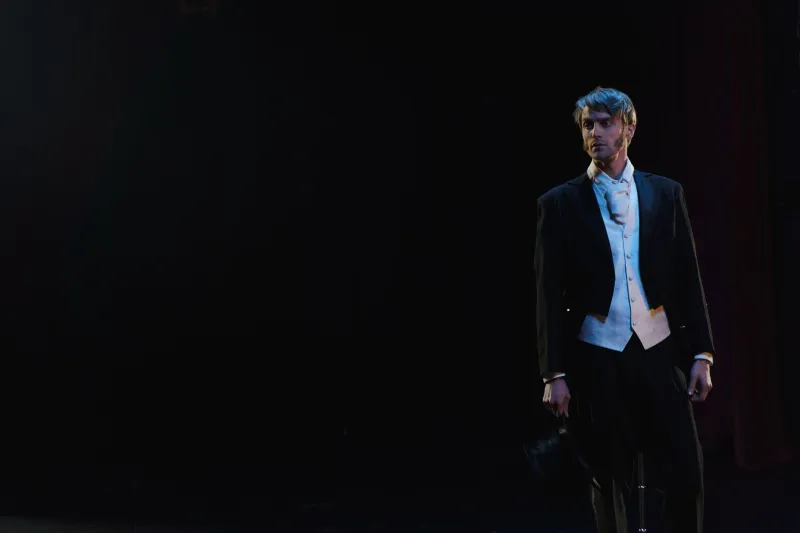
The matinee has always held a certain charm — a little looser than the evening show, a little more spontaneous, somehow more intimate. That spirit is alive and well in the streaming era, just delivered through a phone screen or a laptop instead of a velvet-curtained theater.
And for a generation that schedules its life in fragments rather than blocks, a great live show at 11:45 AM hits just as hard as anything that ever aired after dark.