Lights, Camera, Stream: The Quiet Revolution Reshaping Daytime Talk TV
For decades, the daytime talk show had a reliable rhythm. You'd catch it between errands, maybe fold laundry to it, or tune in during a lunch break if you happened to be home. The format was built around the TV schedule — and audiences showed up because, well, what else were they going to do?
That world is gone. Or at least, it's changing so fast it barely resembles itself anymore.
Today's daytime audience doesn't wait for a broadcast window. They stream on demand, catch highlights on TikTok, and increasingly expect to participate in what they're watching — not just observe. For talk show producers, that shift has meant either adapting or watching their ratings quietly erode into irrelevance.
The good news? Some shows are genuinely figuring it out. And the strategies they're using reveal a lot about where daytime entertainment is heading.
The Old Playbook Doesn't Cut It Anymore
Let's be honest: the traditional daytime talk format was designed for a very specific kind of viewer — someone parked in front of a television set at a predictable time. Segments ran long. Commercial breaks were built in. The pacing assumed you weren't going anywhere.
Streaming audiences behave completely differently. Attention is fragmented. Viewers are often multitasking, watching on phones, or dropping in mid-episode. The idea of sitting through a twelve-minute celebrity interview that meanders for the first four minutes? That's a skip.
Producers who've spoken openly about the transition describe a fundamental tension: the talk show format thrives on warmth and spontaneity, but streaming rewards efficiency and structure. Finding the balance between those two things has become the defining challenge of modern daytime television.
"You can't just take what works on broadcast and dump it onto a streaming platform," one veteran daytime producer noted in a recent industry panel. "The container is different. The viewer's relationship to time is different. Everything has to be rebuilt from the assumption up."
What the Successful Transitions Have in Common
Look at the shows that have managed to carve out real audiences in the streaming space, and a few patterns emerge pretty quickly.
Shorter, punchier segments. Streaming-native versions of talk formats tend to run tighter. Instead of one sprawling interview, producers are packaging content into discrete, self-contained moments — each one shareable, each one capable of standing alone without context. It's not a coincidence that the clips that go viral are rarely the ones where a host and guest are just chatting. They're the moments of surprise, emotion, or humor that hit fast and land hard.
Built-in interactivity. This is where live streaming platforms have a genuine edge over traditional broadcast. When a show goes out live on a digital platform, the audience can react in real time — through chat, polls, emoji responses, or direct questions submitted during the stream. Shows that lean into this feel electric in a way that pre-recorded content simply can't replicate. The audience stops being passive and starts feeling like a part of the show itself.
Authenticity over polish. Here's an interesting wrinkle: streaming audiences are often less impressed by high production value than broadcast viewers were. What they respond to is realness. Hosts who seem like they're genuinely having fun, conversations that go somewhere unexpected, moments that feel unscripted — these land better in a streaming context than a perfectly lit, tightly edited segment that screams "produced."
The Shows That Got It Right (And How)
A handful of talk formats have made the leap convincingly. What they share is a willingness to treat digital distribution not as a secondary afterthought, but as the primary stage.
Some shows have leaned hard into the live component — scheduling streams at consistent daytime hours and building community around the regularity of showing up. Viewers know when to tune in, and that appointment quality (even in a streaming context) creates habit. It's a throwback to the old broadcast model in spirit, but executed entirely on digital terms.
Others have gone the opposite direction, abandoning the live format entirely in favor of highly edited, algorithmically friendly content — shorter episode lengths, strong cold opens, and metadata optimized for discoverability. These shows are essentially building a talk show audience one YouTube search at a time.
Both approaches work, but for different reasons. The live model builds loyalty. The on-demand model builds reach. The smartest shows are experimenting with hybrid strategies — live streams that get clipped and redistributed as on-demand content afterward, extending the life of each episode well beyond its original broadcast window.
What Hosts Are Learning About the Camera
It's not just producers who've had to adapt. Hosts themselves describe a significant shift in how they relate to the audience through a screen.
In a traditional studio setup, there's a live audience providing energy and feedback. Hosts play to the room. The camera is almost incidental — it's just there to capture the performance.
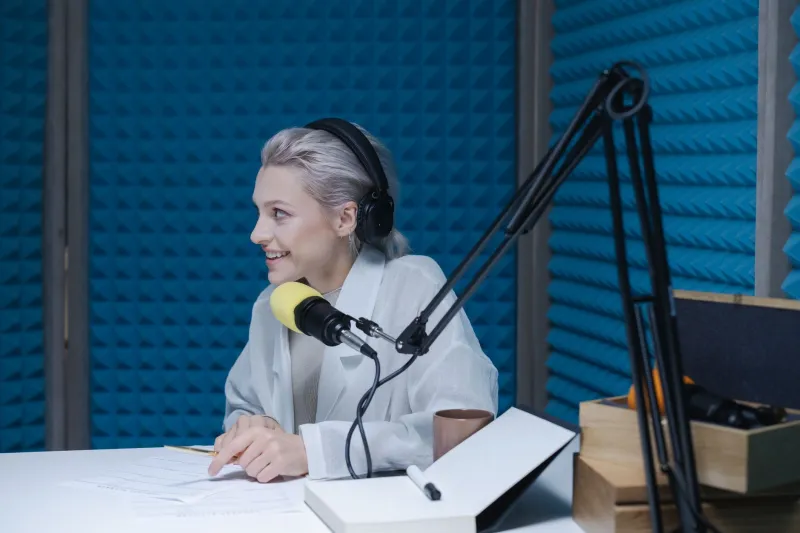
In a streaming context, the dynamic inverts. The camera is the room. Hosts who've successfully made the transition talk about learning to perform more intimately — less projection, more conversation. It's closer to the energy of a podcast than a traditional talk show, even when the format is technically the same.
Some hosts have found this liberating. Others have struggled. The performers who seem most at home in the streaming era tend to be the ones who are genuinely curious, genuinely funny, and genuinely present — because there's nowhere to hide when the screen is this close.
The Daytime Window Is Still Valuable — Just Different
Here's the thing that often gets lost in these conversations: daytime still matters. The audience is there. People are working from home, taking long lunch breaks, watching content between meetings. The appetite for daytime entertainment hasn't gone away — it's just scattered across more platforms and harder to aggregate.
For platforms like Matinee Live, that fragmentation is actually an opportunity. When viewers aren't tethered to a single broadcast network, they'll seek out the content that actually fits their schedule and their taste. A well-executed daytime talk stream — live, interactive, and genuinely entertaining — doesn't have to compete with primetime budgets to find its audience.
It just has to show up, be real, and give people a reason to tune in.
The Format Isn't Dying. It's Molting.
The daytime talk show isn't going anywhere. But the version of it that survives the next decade will look meaningfully different from what we grew up watching. Shorter. More interactive. Built for a viewer who's watching on their terms, not the network's.
For hosts and producers willing to rethink the container without abandoning what makes the format genuinely great — conversation, connection, the unpredictable spark of two people really talking — there's a real audience waiting on the other side of that screen.
They're just not sitting on the couch at 11 a.m. waiting for it to start. They're streaming it when it works for them.
And honestly? That might be the best thing that ever happened to daytime TV.