So You Want to Stream for a Living: The Real Math Behind Daytime's Biggest Solo Acts
There's a version of the daytime streaming story that gets told a lot. Someone sets up a camera in their living room, starts going live every afternoon, and within a year they're pulling in six figures and turning down brand deals. It happens. It's just not the whole picture.
The more complete story involves spreadsheets, slow months, gear upgrades that didn't pan out, and a lot of mornings wondering if today's the day you finally break through. The people who make it work — really work — will tell you the dream is real, but the path there requires a level of financial literacy that most entertainment conversations skip right over.
So let's talk about the actual economics of going solo with daytime live streaming.
What It Actually Costs to Start
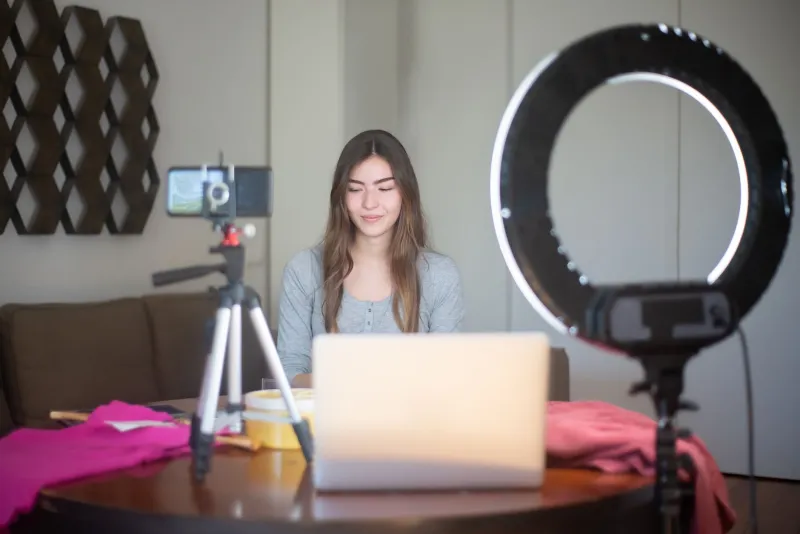
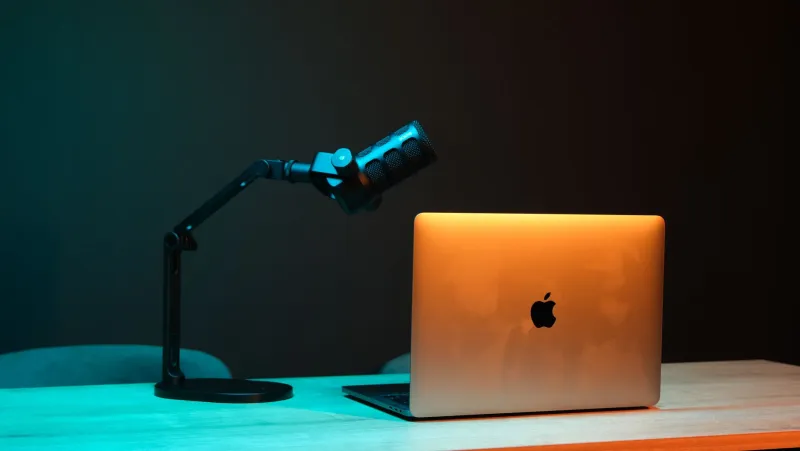
The good news: the barrier to entry is genuinely low compared to almost any other form of entertainment production. The realistic startup kit for a daytime streamer — decent webcam or mirrorless camera, a USB condenser microphone, basic ring light, and streaming software — runs somewhere between $300 and $800 depending on how much you already own.
That's the floor. The ceiling is wherever your ambitions take you.
Jasmine, a lifestyle and cooking streamer based in Nashville who now averages around 8,000 concurrent daytime viewers, remembers her first setup: "I started with a $90 webcam and my kitchen table. My audio was terrible. I kept going anyway because the content was good and the audience could feel that."
Her current setup — upgraded camera, acoustic treatment, a dedicated streaming PC, and professional lighting — cost closer to $4,000 total, accumulated over 18 months as revenue allowed. The lesson she emphasizes: "Don't over-invest before you've proven the concept. Grow the gear with the audience."
Beyond hardware, aspiring streamers need to account for platform fees, subscription service costs for streaming software, potential music licensing if you're using background audio, and — critically — the time cost of content that won't immediately generate income.
Revenue Streams: What's Actually Working
The daytime streaming revenue picture has three main pillars, and smart operators build all three simultaneously rather than betting on any single one.
Subscriptions and memberships are the foundation. Whether through Patreon, a platform's native subscription tier, or a standalone membership community, recurring revenue from dedicated fans is the closest thing to a salary that independent streamers get. Rates typically range from $5 to $25 per month, and conversion rates from free viewers to paying subscribers average around 1-3% for streamers with strong community engagement.
Do the math on 10,000 regular viewers with a 2% conversion at $7/month: that's roughly $1,400 monthly in subscription income alone. Not retire-early money, but a real foundation.
Live tips and donations are the variable income layer — and during daytime streams, they can be surprisingly substantial. The real-time nature of live content creates emotional moments that prompt generosity in ways that YouTube videos simply don't. Streamers who master the art of authentic, low-pressure engagement during streams consistently report tip income that rivals or exceeds their subscription revenue on strong days.
Brand sponsorships are where the ceiling gets interesting. Marcus, a sports commentary and trivia streamer out of Chicago who built his audience through daily afternoon streams, landed his first sponsorship deal at around 3,000 average viewers. "Brands are starting to understand that 3,000 genuinely engaged daytime viewers are worth more than 30,000 passive scrollers," he says. "I was getting offers before I expected them."
Mid-tier daytime streamers with strong niche audiences are commanding sponsorship rates between $500 and $3,000 per integration, depending on category and engagement metrics.
The Break-Even Timeline (Honest Edition)
Here's the number most aspiring streamers aren't prepared for: the average time from first stream to sustainable part-time income is 12 to 18 months of consistent daily or near-daily content. Full-time replacement income typically takes two to three years.
That timeline assumes genuine consistency — going live four or five days a week, actively building community, and iterating on content based on what the audience responds to. Streamers who treat the first year as a slow build rather than a sprint to virality dramatically improve their odds of making it to year two.
"Month six was the hardest," admits Jasmine. "I had maybe 200 regular viewers and I was questioning everything. Month nine something clicked. By month twelve I was paying my rent with stream income."
What Separates the Ones Who Make It
Beyond the financial mechanics, the streamers who scale successfully share a few traits that don't show up in revenue calculators.
They pick a time slot and protect it obsessively. Daytime audiences, particularly the 10 AM to 3 PM window, are creatures of habit. Miss your slot without warning and you lose viewers who built their lunch break or work-from-home schedule around you.
They treat the chat like a co-host. The difference between a broadcast and a community is whether viewers feel like participants. Streamers who consistently acknowledge, respond to, and remember their regulars build the kind of loyalty that survives algorithm changes and platform shifts.
And they diversify before they have to. The streamers who are thriving right now aren't dependent on any single revenue source or platform. They're building email lists, cross-posting clips, maintaining subscription communities, and staying platform-agnostic enough to move if the ground shifts.
The kitchen table is still a valid starting point. It just helps to know, going in, what the road from there actually looks like.