What Daytime Streamers Know That Network TV Still Hasn't Figured Out
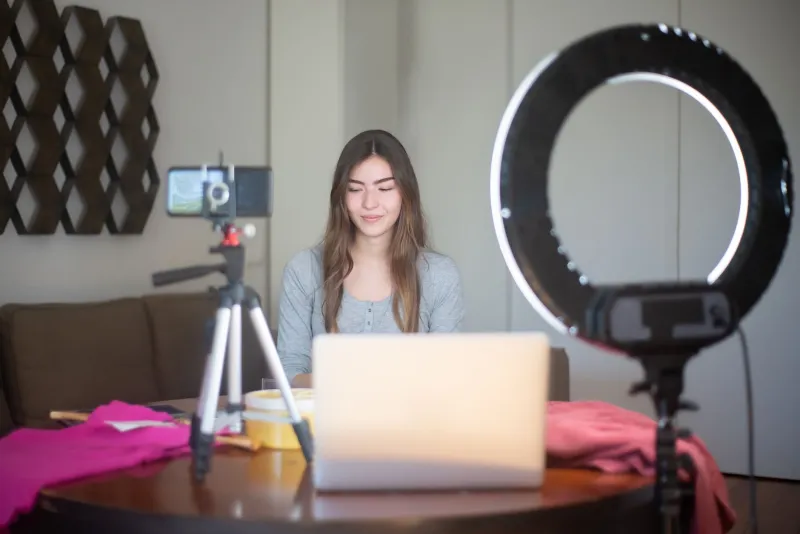
Let's be honest about something the television industry isn't quite ready to say out loud: some of the most genuinely devoted fan bases in American entertainment right now belong to daytime live streamers that primetime executives have probably never heard of. We're talking about creators and producers running daily or near-daily live programming — talk segments, performances, interactive shows — who've built communities so tight and so engaged that their audience retention numbers would make a network programming chief weep with envy.
So what do they know that traditional TV doesn't? Quite a bit, it turns out.
We spent time talking to daytime streamers, indie producers, and platform strategists who've done this the hard way — no network budget, no celebrity co-sign, no promotional machine. What emerged from those conversations was a clear picture of why daytime streaming builds loyalty differently, and why the lessons are ones primetime television is structurally incapable of learning on its own.
Authenticity Isn't a Buzzword — It's the Business Model
"The moment I tried to be polished, I lost half my audience," says one Midwest-based daytime host who runs a daily 45-minute live lifestyle and interview show. She asked to remain anonymous, but her numbers are real: over 80,000 regular viewers, a paid membership community, and a sponsor retention rate that would make a podcast network jealous. "My audience knows when I'm performing versus when I'm just there. They can feel it through the screen."
This sentiment came up repeatedly across our conversations. Daytime live streaming, by its very nature, doesn't allow for the layers of post-production polish that primetime television hides behind. The lighting might be imperfect. The host might sneeze mid-interview. The guest's Wi-Fi might stutter. And somehow, that fallibility is precisely what audiences are responding to.
Primetime TV spends enormous resources making everything look seamless, and in doing so, it creates a kind of glass wall between the talent and the viewer. Daytime streamers operate without that wall — and their audiences feel the difference immediately.
Scheduling Is a Relationship, Not a Grid
Network television thinks of scheduling as a strategic chess match — which show goes where to maximize eyeballs, how to anchor a night, how to counter-program competitors. Daytime streamers think of scheduling as a promise they make to their community.
"I go live every weekday at 1 PM Eastern, and I have for three years," says a New York-based producer who runs a daily live culture and music show. "My audience has built their lunch break around that. If I'm late, I hear about it immediately in the chat. That accountability is the whole relationship."
That relational dimension of scheduling is something traditional broadcasting simply isn't set up to cultivate. When a network moves a show's time slot, it's a business decision. When a daytime streamer goes live late, it's a personal let-down. The asymmetry reveals everything about why loyalty operates differently in these spaces.
Consistency, these creators say, is worth more than production value. A show that's live every single day at the same time, even if it's imperfect, builds a habit loop that no amount of promotional spend can replicate.
The Chat Is the Co-Host
Here's something that would restructure primetime television overnight if executives truly internalized it: the audience doesn't want to watch the show. They want to be part of the show.
In daytime live streaming, the chat window is not a distraction or an afterthought — it's a core production element. The best daytime hosts we spoke to described their audience chat as a living, breathing co-host that shapes the show in real time. Viewer questions redirect interviews. Audience reactions change the tone of a segment. Regulars in the chat become known personalities themselves, creating a social layer that keeps people coming back even on days when the main content is middling.
"My regulars in the chat have inside jokes with each other that have nothing to do with me," laughs one daytime comedy streamer based in Austin. "They're friends now. I'm basically the reason they met. That's not something a network show creates."
Primetime television has experimented with second-screen experiences and social integrations, but these always feel bolted on — an app you're supposed to use while watching, a hashtag you're supposed to tweet. Daytime streaming integrates the audience into the actual fabric of the live experience. It's not a feature. It's the foundation.
Small Numbers, Deep Loyalty
One of the most counterintuitive things successful daytime streamers will tell you is that they stopped chasing big numbers a long time ago. Network television is obsessed with reach — total viewers, demo ratings, market share. Daytime streaming culture has quietly evolved a different success metric: depth of engagement.
"I'd rather have 5,000 people who show up every day and feel like this is their community than 500,000 passive viewers who forget I exist by Thursday," says one daytime producer who runs a live interview show focused on independent artists. "The 5,000 buy things. They tell their friends. They stay for years."
This isn't just philosophy — it's economics. Daytime streamers have discovered that a smaller, more engaged audience generates more reliable revenue through memberships, merchandise, live event tickets, and direct sponsor relationships than a larger, passive audience ever could. The loyalty translates directly to the bottom line in ways that raw viewership numbers simply don't.
What Primetime Could Learn (If It Wanted To)
To be fair, primetime television isn't built to do what daytime streaming does. The infrastructure, the union agreements, the advertiser expectations, the sheer scale of production — all of it conspires against the intimacy and flexibility that makes daytime live content work. You can't accidentally make a network talk show feel like a friend's living room. The architecture won't allow it.
But there are lessons available, if anyone's willing to look. Shorter feedback loops between creators and audiences. More live, unedited moments. Scheduling commitments treated as community relationships rather than programming decisions. A genuine tolerance for imperfection in service of authenticity.
The daytime streamers who've built the most loyal audiences in this space didn't do it with bigger budgets or better technology. They did it by showing up, being real, and treating their audience like people rather than metrics. That's not a production secret. It's just a value system.
And right now, it's working better than almost anything on primetime.