Half Price Seats and Front Row Views: The Forgotten Magic of the Afternoon Show

Photo by Photo by Simon Ray on Unsplash on Unsplash
There's a reason your grandmother knew the word matinee and used it without irony. For most of the twentieth century, the afternoon performance wasn't a consolation prize — it was a institution. Broadway's cheap balcony seats, the movie palace's 1:30 screening, the traveling vaudeville act that played to homemakers and shift workers before dinner. The afternoon show had its own rules, its own crowd, and frankly, its own charm.
We've been sleeping on it ever since. And now, thanks to live streaming, it's coming back — whether the entertainment industry is ready or not.
The Original Bargain
Let's start with the economics, because the matinee was always about access. Broadway houses in the 1930s priced afternoon seats for people who couldn't drop a week's salary on an evening out — teachers, clerks, families on a budget. Movie studios followed suit, slotting afternoon showings at reduced rates to fill seats between the morning newsreel and the evening crowd.
The result was a democratizing force. The matinee was where ordinary people saw the same shows as the tuxedo crowd, just without the tuxedo prices. It was entertainment's great equalizer, decades before anyone used that word.
A Different Kind of Crowd
But the matinee was never only about money. Ask anyone who's attended a Wednesday afternoon performance and they'll tell you: the energy in the room is different. Evening audiences arrive exhausted and performative. Matinee crowds arrive present. They're there because they chose to be, often on a day off, often with someone they love. The laughter comes easier. The applause is less about status and more about genuine delight.
There's an intimacy to it, too. Afternoon houses are smaller, the lighting softer, the performers looser. Actors have long admitted that matinee crowds get a slightly different show — warmer, sometimes funnier, occasionally more experimental. The afternoon was where you could take a swing.
Enter the Streamers
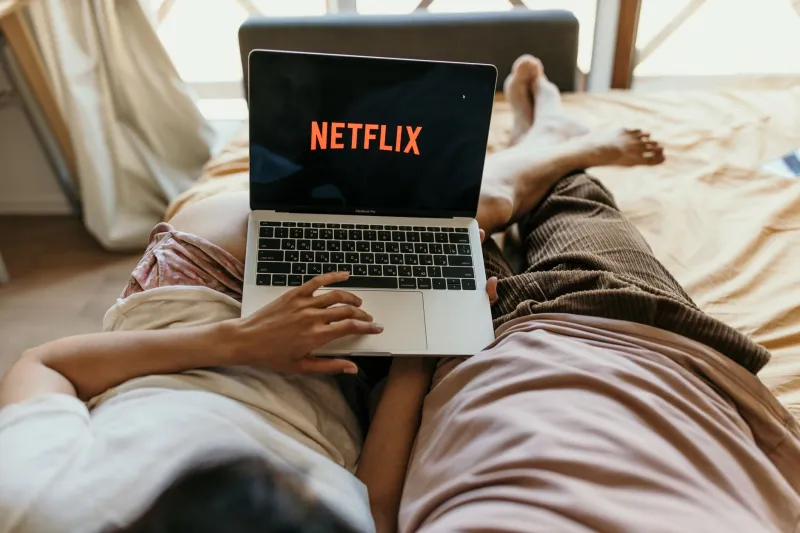
Now look at what's happening on live platforms in 2025. Daily afternoon shows with modest ticket prices or free access. Performers who chat directly with viewers between segments. Crowds of retirees, remote workers, parents with naptime windows, and night-shift nurses winding down. Sound familiar?
Today's daytime streamers have rebuilt the matinee from the ground up, whether they know it or not. The 1 PM live show on a Tuesday isn't competing with primetime spectacle — it's doing what the RKOPro's 1:30 screening did in 1948: meeting people where they are, at a price they can manage, with an atmosphere the evening can't replicate.
The intimacy is the giveaway. When a streamer reads your comment aloud mid-performance, or a virtual audience votes on what happens next, that's the matinee spirit — the sense that the show belongs to the people in the room, not the people on the marquee.
What We Lose When We Forget the Afternoon
The entertainment industry spent forty years training us to believe that valuable content happens after 8 PM. Primetime ad rates, red carpet premieres, watercooler moments scheduled for the next morning. The afternoon was treated as dead air.
That was always a misreading of the audience. People have always watched things in the afternoon — they just did it quietly, a little guiltily, on a screen someone else controlled. What streaming has done is hand them the remote, the schedule, and the community. The afternoon audience didn't need to be created. It needed to be acknowledged.
The Matinee Never Died. It Just Moved.
Cultural traditions rarely announce their comebacks. The matinee didn't die; it migrated — from the Orpheum circuit to the TV soap opera to the livestream window open on a lunch break. Each generation rediscovers the same truth: there is something quietly radical about choosing joy in the middle of a workday.
The streamers broadcasting at 1 PM today are running the modern matinee house. Small, warm, affordable, and closer to their audience than any primetime production will ever be. The balcony seats are gone, but for the first time in a century, everyone's got the best seat in the house.