The 2 PM Fix: Why Forward-Thinking Companies Are Quietly Embracing Daytime Streams at Work
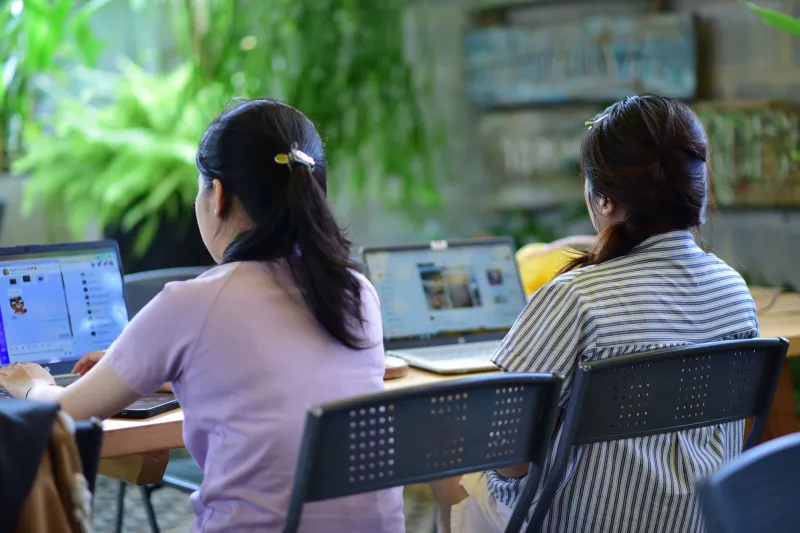
Ask anyone who works a standard office schedule — remote, hybrid, or otherwise — about 2:30 PM on a Tuesday, and you'll get a pretty consistent answer. It's the dead zone. Focus has evaporated. The morning's momentum is gone. The end of the day feels both close and impossibly far. Coffee stopped working an hour ago.
For decades, the corporate response to this universal productivity valley was essentially: push through it. Maybe grab a snack. Maybe take a walk. The afternoon slump was treated as a personal problem to be individually managed.
But something is shifting. A growing number of employers — particularly in the tech, media, and creative sectors — are quietly experimenting with a different approach: building structured daytime entertainment moments into the workday. And live streaming is at the center of it.
The Science Behind the Slump
Before dismissing this as a quirky HR gimmick, it's worth understanding what's actually happening physiologically around mid-afternoon. The human circadian rhythm naturally produces a secondary dip in alertness roughly seven to eight hours after waking — typically landing right in that 1 to 3 PM window. This isn't laziness or poor time management. It's biology.
Research in workplace psychology has consistently shown that forced productivity during this window produces diminishing returns: more errors, lower creativity, and higher stress levels. What actually restores focus is a genuine mental break — something that genuinely disengages the task-focused brain before re-engaging it.
Passive activities like scrolling social media don't cut it, because they still demand low-grade attention and often introduce stress triggers (news, comparison, notifications). But a well-designed entertainment experience — something engaging enough to hold attention but not demanding enough to exhaust it — can function as a genuine cognitive reset.
Enter the daytime live stream.
How Companies Are Actually Doing This
The implementations vary widely, which is part of what makes this trend interesting. There's no single playbook yet — employers are experimenting, and the results are informing each other organically.
Some companies are scheduling optional 20-minute "stream breaks" two or three times a week, curating specific channels or live events that fit their team's interests — a cooking demonstration, a live music performance, a trivia session. Participation is voluntary, but attendance rates are reportedly high when the content is good.
Others are integrating daytime streaming into existing wellness frameworks. Rather than adding another meeting to encourage people to "take care of themselves," they're providing the actual vehicle for doing so — a shared entertainment moment that requires nothing of the viewer except to be present and enjoy it.
For remote and hybrid teams specifically, the communal angle is a significant draw. One of the persistent challenges of distributed work is the erosion of shared cultural touchstones — the water cooler moments, the collective experiences that give teams something to talk about beyond project status. A live stream that a team watches together, even asynchronously via replay, generates that connective tissue.
"We started doing a Friday afternoon stream watch as a team thing — just 25 minutes before we wrapped for the week," says Priya, an engineering team lead at a software company in Austin. "Within a month it became the thing people actually looked forward to. It was a genuine culture moment, not a manufactured one."
The Mental Health Dimension
The timing of this trend is not coincidental. Employee burnout has remained stubbornly high across industries since the pandemic reshuffled work norms, and mental health is now firmly on the agenda for HR departments in a way it wasn't five years ago.
What makes daytime streaming an interesting wellness tool is that it addresses burnout at the moment of its daily peak rather than trying to solve it after hours. Yoga apps and meditation subscriptions are valuable, but they require employees to engage with wellness on their own time. A 25-minute afternoon stream watch happens during the workday, signals that the company values recovery as part of productivity, and delivers an actual enjoyable experience rather than another thing on the self-improvement to-do list.
There's also the laughter factor, which is genuinely underrated in workplace wellness conversations. Live entertainment — particularly the spontaneous, unscripted moments that daytime streams are known for — produces authentic laughter in ways that curated content rarely does. And the psychological benefits of shared laughter in group settings are well-documented: reduced cortisol, increased trust, improved mood persistence.
What Streamers and Platforms Can Offer
For the daytime streaming community, this emerging corporate interest represents a genuine opportunity. Streams specifically designed for workplace audiences — structured to fit a 20 to 30 minute window, appropriate for professional settings, and built around formats that work well for group viewing — are a relatively underserved niche.
Think live trivia sessions with team leaderboards. Think interactive cooking demonstrations with ingredient lists sent in advance. Think live music performances calibrated for background enjoyment with moments of active engagement. These aren't complicated productions. They're thoughtful ones.
Platforms that make it easy for companies to integrate curated live content into their internal tools — Slack, Teams, even a simple shared link in a calendar invite — will have a meaningful advantage in this space as it develops.
The Afternoon Is Waiting
The idea of entertainment as a legitimate workplace wellness strategy still raises an eyebrow in more traditional corporate cultures. But the data on what actually restores productivity — and what employees actually want from their employers — is pushing the conversation forward faster than skeptics expected.
Daytime streaming was already winning over home audiences, remote workers, and anyone with a lunch break and a phone. The next frontier is the 2 PM slot on the company calendar — and the forward-thinking employers who claim it first are going to have a head start on something that's about to become a lot more mainstream.