Drive Time Is Show Time: How Daytime Streamers Are Cracking the Morning Commute Code
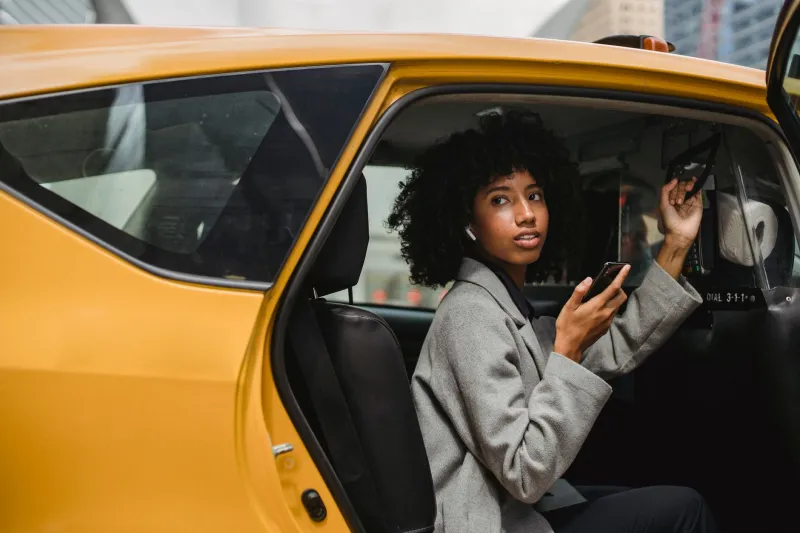
For most of streaming's short history, the assumption has been simple: viewers watch. They sit down, they look at a screen, they engage. But somewhere between the highway on-ramp and the office parking garage, that assumption is getting a serious reality check.
America's commuters — roughly 130 million people who spend an average of 27 minutes each way getting to work — have quietly become one of the most valuable untapped audiences in daytime entertainment. And the smartest streamers on platforms like Matinee Live are starting to build directly for them.
The Eyes-Free Problem (And Why It's Actually an Opportunity)
Live streaming has always been a visual medium, which is exactly what makes the commute audience such a puzzle. A driver physically cannot watch a screen. A subway rider might glance down at a phone between stops, but sustained viewing isn't realistic either.
So what do you do with an audience that wants your content but can't consume it the traditional way?
You redesign the content around them.
A growing number of daytime streamers are building what insiders are starting to call "audio-forward" shows — live broadcasts engineered so that the full experience holds up without the visual layer. Think of it less like a talk show and more like a really compelling podcast that also happens to be live, interactive, and visually rich for people who can watch.
The key is narration density. Streamers who've cracked this format describe everything happening on screen, react verbally to chat comments rather than just reading them silently, and build segments where the audio carries the entire emotional arc. If you close your eyes, you should still know exactly what's going on.
Scheduling as a Commute Strategy
Timing matters enormously here. The sweet spot for capturing drive-time audiences runs roughly from 7 to 9 AM local time — which, not coincidentally, is when a lot of daytime streaming slots have historically been considered "dead zones." Early adopters who planted their flags in that window are now sitting on surprisingly loyal audiences.
The logic is almost too simple: if you're someone's 7:45 AM ritual on the way to work, you're not just entertainment. You're part of their morning routine. That's a level of habitual loyalty that primetime shows — which compete with dinner, family time, and a thousand other obligations — almost never achieve.
Some streamers have gotten even more granular, timing their most audio-friendly segments (interviews, storytelling, call-ins) for the peak commute window and saving visually driven content for the back half of the show, when their at-home audience is more fully engaged.
The Second-Screen Commuter
Not every commuter is behind the wheel. For the millions riding trains, buses, and subways across cities like New York, Chicago, and LA, the dynamic is completely different — and arguably even more promising.
These commuters can watch, but they're doing it in short, interrupted bursts. A subway rider might have three minutes before their stop. A bus passenger might scroll through their phone while standing, one hand on the overhead rail.
Smart streamers are designing for this fragmented attention by building "micro-moments" into their shows — self-contained two-to-three-minute segments that deliver a complete thought or payoff without requiring the viewer to have caught what came before. It's modular storytelling, and it works beautifully for transit audiences who jump in and out.
Platforms are helping here too. Automatic chapter markers, live clip highlights, and real-time transcripts are all tools that make daytime streams more accessible to someone watching on a crowded train with their volume turned off.
What Advertisers Are Starting to Figure Out
Here's where things get genuinely interesting from a business perspective. The commute audience isn't just large — it's primed. People in transit are often in a planning mindset: thinking about what they need to pick up, what they're eating for lunch, what they want to do this weekend.
That makes them unusually receptive to certain categories of advertising. Local restaurant spots, grocery delivery services, coffee brands, podcast apps, audiobook platforms — all of these categories perform well against commuter audiences in ways they don't during traditional daytime slots.
A few forward-thinking sponsors have started working directly with daytime streamers to build audio-integrated ad reads that feel natural in an eyes-free context. Instead of a graphic-heavy promotion, you get a conversational mention woven into the show's flow — something a commuter can actually absorb without taking their eyes off the road.
Building the Commute Community
One of the most counterintuitive things about the commute audience is how engaged they are despite their physical limitations. Streamers who've cultivated this demographic report that drive-time listeners are some of their most passionate community members — they just participate differently.
Voice-to-text chat contributions, pre-submitted questions, and call-in segments (where legal and safe) are all ways that commuter fans stay connected to the live experience. Some streamers have even built Discord communities specifically for their morning audience, where people share reactions and continue conversations after they've parked the car or arrived at the office.
It's a reminder that engagement doesn't always look like someone staring at a screen. Sometimes it looks like someone smiling in traffic because their favorite streamer just said something that made their whole morning better.
The commute-to-content pipeline is still early. But the streamers paying attention to it right now are building audience habits that could pay dividends for years — one morning drive at a time.