The Chat Room Gets a Writing Credit: Daytime's Crowd-Scripted Soap Experiment
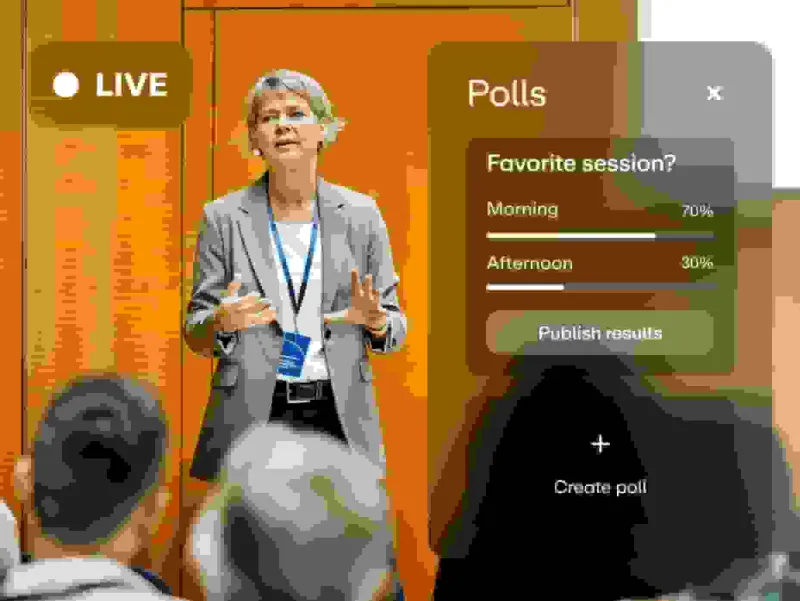
The cliffhanger is a poll
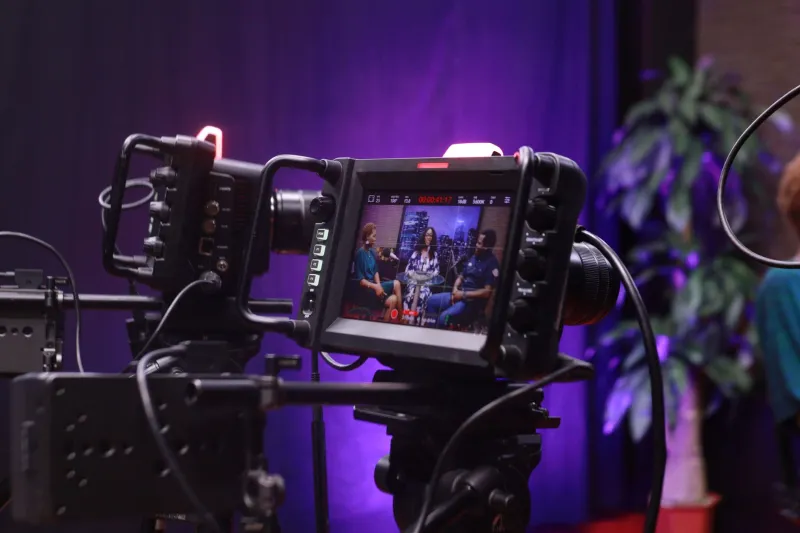
At 2 p.m. Eastern on a Tuesday, the chat on Harbor Lights starts moving before the episode does. Regulars type hello to one another by handle. They argue about whether Lena should forgive her brother. They place mock bets on which character will walk into the diner first. Then the countdown hits zero, and a $6,000 living-room set with two cameras and a ring light becomes the most consequential address in daytime drama.
Harbor Lights is one of a small but growing cluster of scripted soap operas built specifically for live streaming. These are not network soaps with a simulcast window. They are daily, 18-to-24-minute episodes produced for chat-first platforms, where viewers vote on cliffhangers, cast romances, and occasionally which character gets killed off. The writers still write. But the room has a say.
Six people, two cameras, one daily deadline
The production math is ugly in a way that makes the creative math interesting. Producers behind these shows describe weekly budgets in the $4,000 to $9,000 range, often less. A typical crew is a director, a producer, a camera operator, a sound person, and two actors who double as set dressers. Sets are borrowed storefronts, rented apartments, and one memorable converted garage in Ohio that has stood in for a hospital, a police station, and a bakery.
Daily episodes mean daily scripts. Most shows bank two or three episodes ahead, then leave the fourth slot open for whatever the chat decides. A Monday poll might ask whether the town sheriff should cover up a crime. If the vote tips toward yes, the writers spend Monday night reshaping Tuesday's scenes. Actors get pages at 7 a.m. and block before lunch.
It sounds chaotic because it is. But the chaos is the product. Streaming audiences have spent years being told they are part of the conversation. These shows actually let them into the writers' room, even if the door is a Google Form and the coffee is cold.
Actors who read the room in real time
The performers carry the strangest part of the job: acting for a camera while a live chat reacts beside them. On a recent episode of The Willows, a villain's confession drew a wave of laughing emojis. The actor paused, half-smiled, and delivered the next line with a fresh edge. That kind of adjustment is impossible on a taped network soap.
Cast members say the feedback loop cuts both ways. A well-timed joke lands in the chat and becomes a running bit. A romance that viewers reject can get quietly unwound within a week. One producer keeps a printed sheet taped to the monitor with three columns: keep, kill, kiss. The chat fills it in.
The tradeoff is exposure. Actors are not protected by a distant edit. If a scene drags, the chat says so while it is still happening. If a performer misses a beat, the audience sees it and comments before the next commercial break. Most of the casts come from regional theater, improv, and short-lived network roles. They are used to live audiences. They are not used to live audiences with usernames.
Why former soap fans are coming back
The audience is not a random slice of streaming viewers. It skews toward people who once planned afternoons around General Hospital, Days of Our Lives, and The Young and the Restless. Many left network soaps when schedules shifted, budgets shrank, or their favorite characters were written off. They did not stop wanting serialized drama. They stopped wanting to chase it.
These live soaps meet them where the habit already lives. Episodes are short enough for a lunch break. The chat creates the watercooler conversation that network soaps lost years ago. And the voting mechanic gives fans something primetime rarely offers: a sense that their attention is actually leverage.
That leverage can get messy. Producers have learned to set boundaries. Votes are framed as suggestions, not binding contracts. Writers reserve the right to ignore a poll if it breaks a story. One show briefly let viewers vote on a character's fate, then reversed the result after realizing the actor was central to three upcoming arcs. The chat noticed. The show apologized. The next poll was about a wedding menu.
The business of a daily habit
The revenue mix is still evolving. Subscriptions and channel memberships cover the base. Super chats and live gifts spike during cliffhanger episodes. Merch is small but real—logo mugs, character quote tees, a surprisingly strong market for a Harbor Lights apron. Sponsorships are trickier because daily scripts are hard to pre-clear.
The bigger opportunity is retention. A network soap lives or dies by a 1.5 rating. A live soap lives or dies by whether 8,000 people show up every day and bring a friend. That is a smaller number, but it is a relationship. Producers can see who returns, which storylines hold the chat, and which actors make people type faster.
It is not a replacement for the old model. It is a parallel one. A scrappy, chat-driven soap can tell a story that moves at the speed of its audience, on a budget that would not cover a network catering table. For the fans who left daytime behind, that may be the point. The drama is back. This time, they get a vote.
For Matinee Live readers who grew up taping soaps on VHS, the appeal is easy to understand. The picture is smaller. The stakes are not.